

Hard water stains on shower glass are mineral deposits in two layers: a loose calcium carbonate film on top and a deeper, chemically bonded silica layer underneath. A squeegee habit prevents new buildup, mild acid clears the top layer, and only controlled professional resurfacing removes stains that have set into the silica layer.
Key takeaways
- Hard water deposits build in two layers — calcium carbonate on top, silica bonded underneath — and most home remedies only reach the top layer.
- Vinegar and other mild acids dissolve calcium carbonate but can etch the glass or a protective coating if used too often or too strong.
- Steel wool and abrasive pads remove stains by scratching the glass itself. Never use them on coated glass.
- A squeegee after every shower is the only step with zero risk to the glass, and it’s the single best way to stop new stains from forming.
- Stains that survive repeated mild-acid cleaning are usually set into the silica layer and need professional mechanical resurfacing, not a stronger chemical.
What actually causes hard water stains on shower glass?
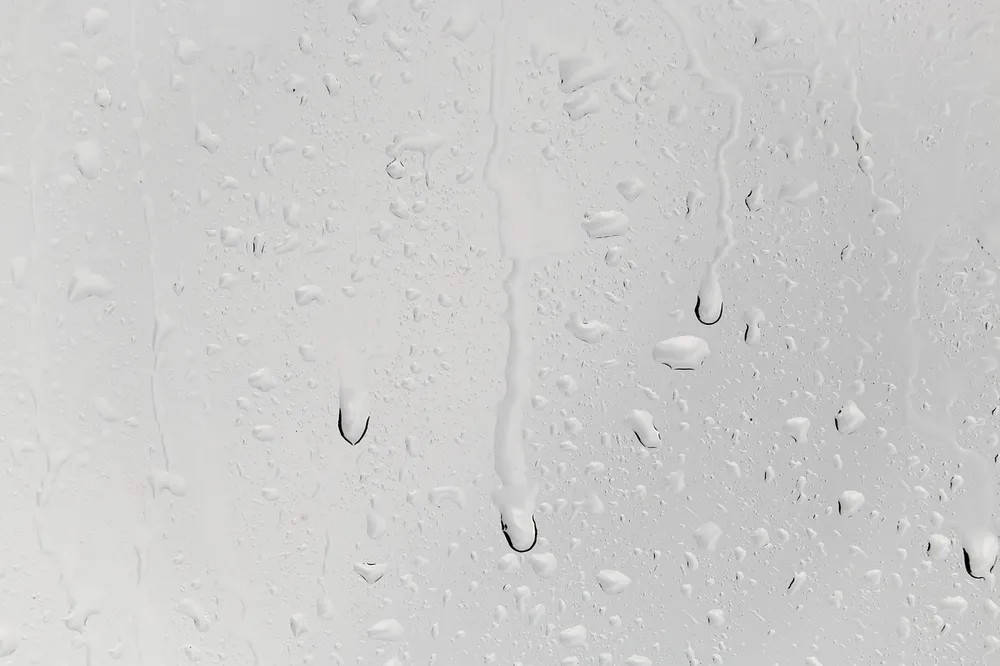
Hard water carries dissolved calcium and other minerals. When the water evaporates off the glass, those minerals stay behind. According to glass restoration specialist Glass Savers, the residue that builds up isn’t one uniform layer — it’s two different layers with two different chemistries.
The U.S. Geological Survey explains that hard water forms as water moves through soil and rock, dissolving naturally occurring calcium and magnesium along the way. USGS classifies water by how much dissolved calcium carbonate it carries: 0 to 60 mg/L is soft, 61 to 120 mg/L is moderately hard, 121 to 180 mg/L is hard, and anything above 180 mg/L is very hard. The higher that number where you live, the more mineral residue is available to deposit on glass every time water evaporates — one reason some households see stains return within days of cleaning while others barely notice them.
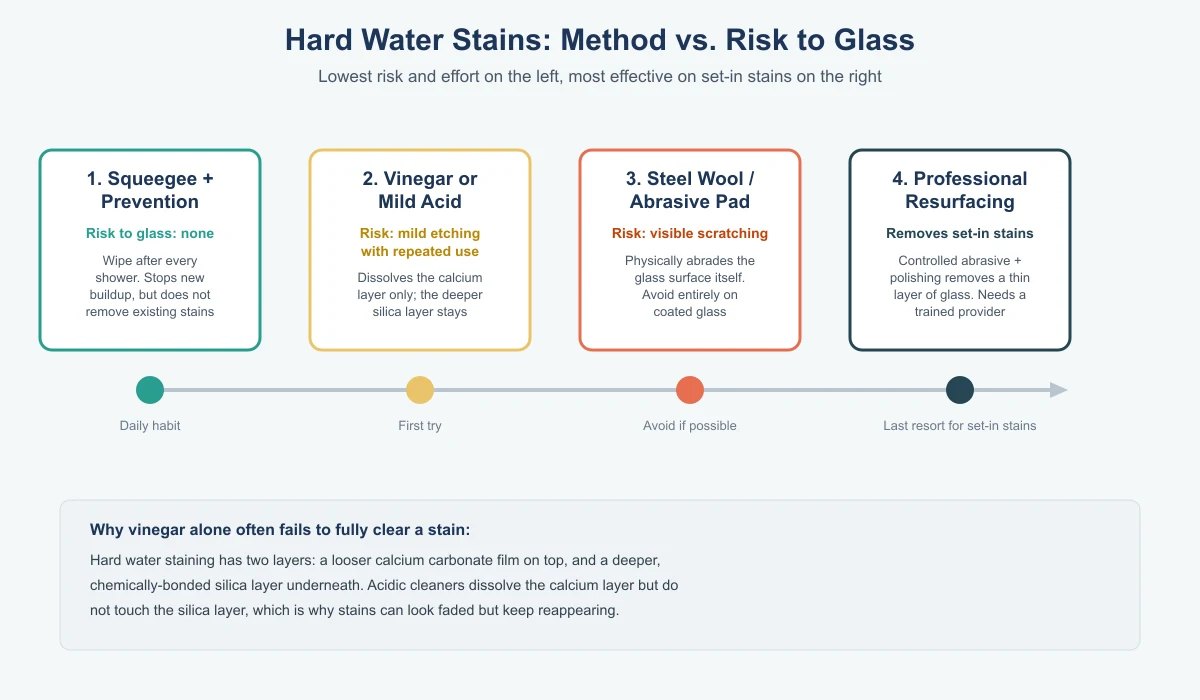
The outer layer is calcium carbonate, which forms as water evaporates and is relatively easy to dissolve with a mild acid. Underneath it, a second layer forms where minerals bond more tightly to the glass surface itself — a silica-based layer that acid alone does not touch. That’s the practical reason a stain can look like it’s fading under a vinegar treatment, then seem to “come back” a few weeks later: the top layer cleared, but the deeper layer was never removed.
Which cleaning method should you try first?
Start with the method that carries the least risk to the glass, and only move to a stronger method if it doesn’t work. The table below lines up the common options by how well they work against each layer of deposit and what they risk doing to the glass or any coating on it.
| Method | What it does | Risk to glass or coating | Best for |
|---|---|---|---|
| Squeegee after every shower | Removes standing water before minerals can deposit | None | Preventing new stains, daily habit |
| Vinegar or other mild acid | Dissolves the surface calcium carbonate layer | Mild etching risk with repeated or strong use | Light to moderate existing stains |
| Steel wool or abrasive pad | Physically scrapes the deposit off the glass | Visible scratching; avoid on coated glass entirely | Not recommended — see safer options first |
| Professional mechanical resurfacing | Controlled abrasive and polishing removes a thin layer of the glass surface, taking the silica layer with it | Low when done by a trained provider; removes glass material, so it is a one-time fix, not routine maintenance | Set-in stains that mild acid won’t clear |
How do vinegar and mild acids work, and what’s the real risk?
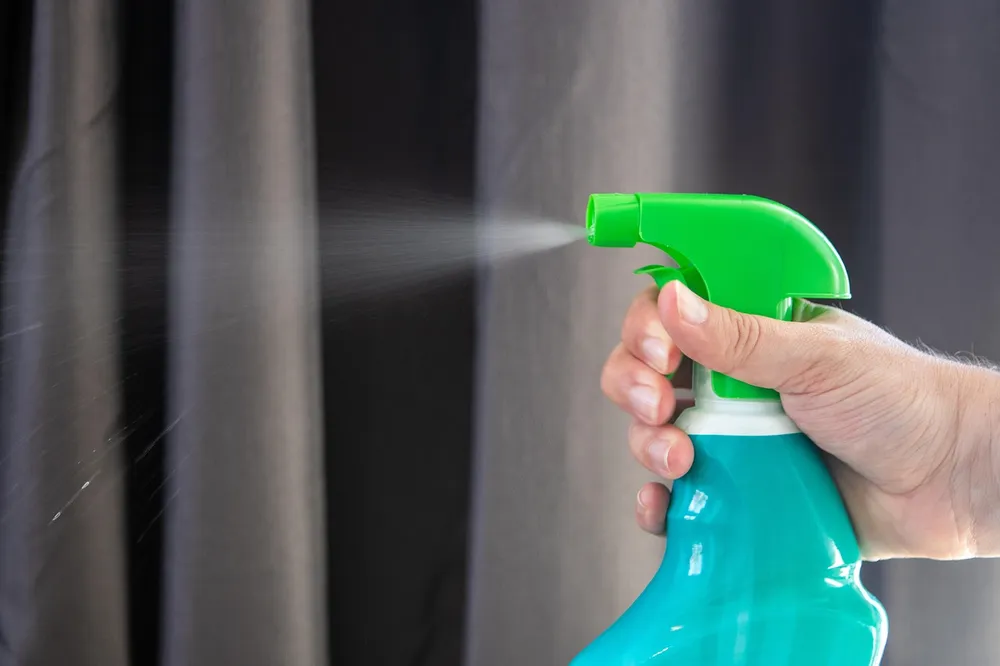
White vinegar and other mild acids work by chemically dissolving calcium carbonate. Spray or apply the acid, give it time to work on the deposit, then wipe and rinse. This is genuinely effective on the surface layer — it’s why it’s the most commonly recommended first step.
Never mix vinegar with chlorine bleach or an ammonia-based cleaner. Combining chlorine bleach with vinegar (an acid) or with ammonia produces toxic fumes. Use vinegar on its own, rinse the glass well, and let it dry before switching to any other cleaning product.
The risk that’s easy to miss: repeated or overly strong acid treatments can etch the glass surface or attack a protective coating, according to Glass Savers’ professional restoration guidance. Etching is not the same as a stain. A stain sits on top of the glass and can be removed; etching is permanent damage to the glass surface itself, and once it’s there, no amount of cleaning brings back the original clarity. If you have a factory or aftermarket easy-clean coating on your glass (see our guide to whether that coating is worth it), stick to the mildest effective concentration and don’t make acid treatments a daily habit — they’re a periodic fix, not a replacement for squeegeeing.
When is steel wool or an abrasive pad a bad idea?
Almost always. Steel wool and abrasive scouring pads remove hard water deposits the same way they remove rust from a pan: by physically grinding the material off. On glass, that grinding doesn’t stop cleanly at the mineral deposit — it also abrades the glass surface underneath, which is real, visible scratch risk, and it’s worse on coated glass where the coating itself can be stripped or torn.
If you’ve already scratched the glass trying to scrub off a stain, more scrubbing won’t fix it. A shallow scratch may be polishable by a glass professional; a deeper scratch or chip is a different problem — see our guide on whether cracked or chipped shower glass should be repaired or replaced for when a damaged panel needs to come out rather than be patched.
What does professional glass resurfacing actually do?
When mild acid treatments stop making a visible difference, the stain has likely set into the silica layer that acid can’t dissolve. At that point, the Glass Savers restoration method is a controlled mechanical process: a trained technician uses silicon carbide abrasives followed by cerium oxide polishing compound to remove a very thin layer — tens of microns — of the glass surface itself, taking the bonded mineral layer with it.
This is a fundamentally different action than a homeowner wipe-down. It’s effective on stains nothing else touches, but it is also, by definition, removing glass material, so it isn’t something to repeat often. Treat it as the fix for stains that have already resisted repeated mild-acid cleaning, not as a routine maintenance step.
How do you stop stains from coming back?
Prevention is the one step with no downside. Squeegeeing the glass after every shower takes under a minute and removes the standing water before minerals have a chance to concentrate and bond to the surface. It won’t remove a stain that’s already there, but it is the single biggest factor in whether stains come back after you’ve cleaned them off.
If your water is hard enough that stains return within days even with a squeegee habit, an easy-clean glass coating is worth evaluating — our separate breakdown of when a coating is and isn’t worth the cost walks through that decision, including the manufacturer’s own warranty terms. For a wider look at glass thickness, hardware and the other decisions that shape a frameless enclosure, start with the frameless shower door guide.
FAQ
Does vinegar damage shower glass?
Occasional use of diluted white vinegar is low-risk, but repeated or full-strength use can etch the glass surface or damage a protective coating over time, per Glass Savers’ professional glass-restoration guidance. Use it as a periodic treatment, rinse thoroughly, and don’t scrub hard while it’s working.
Can I use a razor blade to scrape off hard water stains?
This isn’t covered by the sources used for this article, so there’s no verified answer here — but any method that physically scrapes the glass carries the same scratch risk described for steel wool and abrasive pads. If you’re considering it, treat it with the same caution.
Why do my shower glass stains keep coming back after I clean them?
If a mild acid is only clearing the top calcium carbonate layer and leaving the deeper, bonded silica layer behind, stains can reappear even after a thorough cleaning. That pattern usually means the deposit has set in and needs professional resurfacing rather than a stronger home remedy.
Is a glass coating a substitute for cleaning?
No. A coating changes how easily water and minerals bead off the glass, but it still needs regular rinsing and gentle cleaning to stay effective, and manufacturer guidance says to avoid harsh chemicals and abrasives on it.
Sources
- Glass Savers (SD Glass Restoration) — Hard Water Stain Removal on Glass
- USGS Water Science School — Hardness of Water
By framelessglassguide.com Editorial Team. Last updated: November 13, 2026.


[…] How to Remove Hard Water Stains From Shower Glass […]